
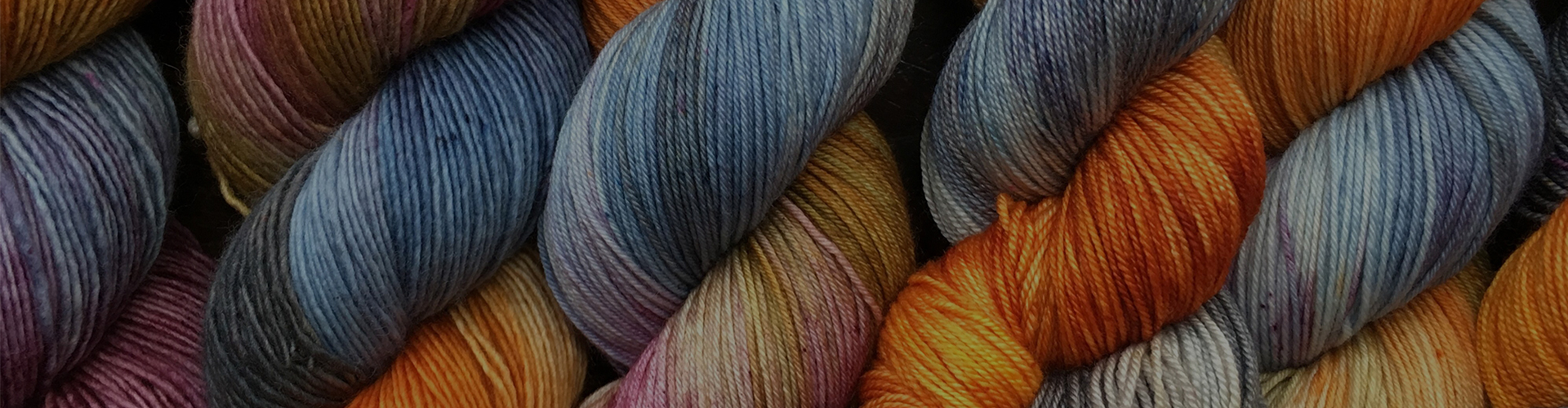
In recent years, the global textile industry has undergone rapid transformation, driven by the demand for durable, lightweight, and cost-effective materials. Among various synthetic fibers, Acrylic Staple Fiber (ASF) has emerged as a key raw material widely used in apparel, home textiles, industrial fabrics, and nonwoven products. Its wool-like texture, excellent thermal insulation, and resistance to environmental factors make it a preferred choice for manufacturers seeking performance and affordability.
For companies like Suzhou Hanyun New Material Technology Co., Ltd., which focuses on high-performance fiber research, development, and production, acrylic staple fiber represents a strategic material supporting diverse yarn and textile applications.
Content
What Is Acrylic Staple Fiber?
Acrylic staple fiber is a synthetic fiber produced primarily from polyacrylonitrile (PAN) through processes such as wet spinning or dry spinning. It is cut into short lengths similar to natural fibers like cotton or wool, allowing it to be spun into yarn using traditional spinning methods.
Because of its softness, warmth retention, and lightweight structure, acrylic staple fiber is often referred to as “synthetic wool.” It provides a cost-effective alternative to natural wool while maintaining similar appearance and thermal performance.
Key Properties of Acrylic Staple Fiber
Acrylic staple fiber stands out due to a combination of mechanical strength, chemical stability, and comfort. These properties enable its widespread use in multiple industries.
| Property | Description | Industrial Benefit |
|---|---|---|
| Wool-like softness | Similar texture and warmth to wool | Ideal for knitwear and blankets |
| Low moisture absorption | Typically below 5% moisture regain | Quick drying and mildew resistance |
| UV resistance | Strong resistance to sunlight degradation | Suitable for outdoor textiles |
| Shape retention | Good elasticity and resilience | Maintains garment structure |
| Chemical resistance | Performs well in acidic or alkaline environments | Useful for industrial fabrics |
| Colorfastness | Accepts dyes well and resists fading | Long-lasting appearance |
Acrylic fibers are also known for excellent light stability and durability, maintaining color and structural integrity even under prolonged outdoor exposure.
Typical Specifications of Acrylic Staple Fiber
Different industrial applications require different fiber fineness and cut lengths. Acrylic staple fiber is therefore available in multiple specifications.
| Parameter | Common Range |
|---|---|
| Denier | 1.5D – 15D or higher |
| Cut Length | 32 mm – 102 mm |
| Moisture Regain | ~0.5% – 2% |
| Thermal Resistance | Up to approx. 130°C continuous use |
| Color Options | Raw white, dyed, or solution-dyed |
These flexible specifications allow manufacturers to produce spinning yarns, nonwoven fabrics, and functional fibers tailored to different industries.
Major Applications of Acrylic Staple Fiber
1. Apparel and Knitwear
One of the largest markets for acrylic staple fiber is clothing production. Because of its softness and insulation properties, it is commonly used in:
-
Sweaters
-
Socks
-
Scarves and gloves
-
Knitwear and winter garments
It can also be blended with wool, cotton, or polyester to improve softness, durability, and cost efficiency.
2. Home Textiles and Furnishings
Acrylic staple fiber is widely used in household textile products because of its durability and color stability.
Typical products include:
-
Blankets and throws
-
Carpets and rugs
-
Upholstery fabrics
-
Curtains and decorative textiles
Its resistance to moisture, mildew, and fading makes it particularly suitable for long-lasting home furnishings and decorative fabrics.
3. Outdoor and Industrial Textiles
Due to its resistance to sunlight, chemicals, and environmental exposure, acrylic staple fiber is increasingly used in industrial textiles such as:
-
Outdoor furniture fabrics
-
Awnings and shade covers
-
Filtration materials
-
Protective clothing
-
Geotextiles and insulation materials
Nonwoven fabrics made from acrylic fibers provide high strength, chemical resistance, and thermal insulation, which are valuable in industrial and infrastructure applications.
Market Trends Driving Acrylic Staple Fiber Demand
Several global trends are contributing to the growing demand for acrylic staple fiber:
-
Cost-effective alternatives to natural fibers
Wool prices fluctuate significantly, making acrylic a stable and affordable substitute. -
Growth in functional textiles
The rise of outdoor fabrics, protective clothing, and filtration materials increases demand for durable synthetic fibers. -
Expansion of home textile markets
Increasing global consumption of carpets, blankets, and upholstery fabrics supports acrylic fiber production. -
Customization and functional fiber development
Manufacturers now offer flame-retardant, antibacterial, and recycled acrylic fibers to meet evolving industry requirements.
As textile manufacturing becomes more technology-driven, acrylic staple fiber will continue to play a critical role in high-performance and blended yarn solutions.
Why Choose Professional Acrylic Staple Fiber Manufacturers?
Working with experienced suppliers ensures stable fiber quality, reliable specifications, and customized solutions for spinning mills and textile manufacturers.
Suzhou Hanyun New Material Technology Co., Ltd. focuses on the development and production of high-performance chemical fibers and differentiated yarns, providing a wide range of functional fibers and customizable specifications to meet modern textile industry demands.
With advanced manufacturing capabilities and R&D expertise, professional suppliers help textile companies improve product performance, efficiency, and sustainability.
FAQ
1. What is acrylic staple fiber made from?
Acrylic staple fiber is produced mainly from polyacrylonitrile (PAN) polymers through spinning processes such as wet spinning or dry spinning.
2. Why is acrylic fiber often called synthetic wool?
Because it has similar softness, warmth, and bulkiness to natural wool, making it a cost-effective alternative in knitwear and blankets.
3. Can acrylic staple fiber be blended with other fibers?
Yes. Acrylic fibers are commonly blended with wool, cotton, polyester, and other synthetic fibers to improve softness, durability, and cost efficiency.
4. What industries use acrylic staple fiber?
Major industries include textiles, home furnishings, automotive interiors, industrial filtration, and nonwoven fabrics.
5. Is acrylic staple fiber suitable for outdoor products?
Yes. Acrylic fibers have excellent UV resistance, color stability, and mildew resistance, making them ideal for outdoor textiles and furniture fabrics.