
Content
What Is Acrylic Filament Yarn?
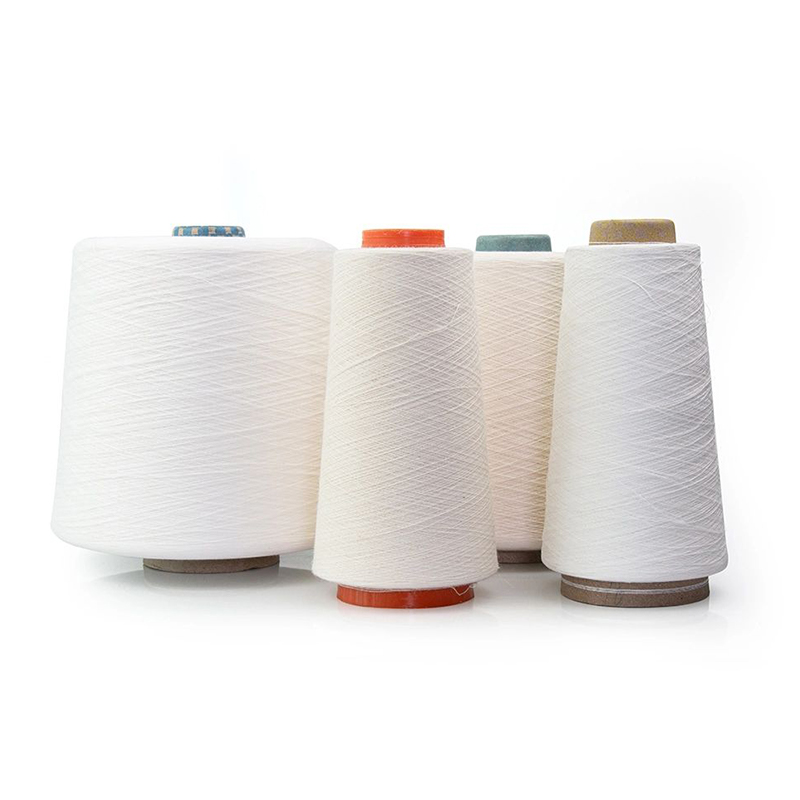
Acrylic filament yarn is a synthetic yarn made from polyacrylonitrile, extruded into continuous filament strands rather than the short staple fibers used in many other acrylic yarn products. Because the filaments run continuously through the yarn instead of being spun from cut lengths, filament yarn typically produces a smoother, more uniform strand with fewer protruding fiber ends than staple-spun acrylic yarn.
Acrylic itself is prized as a wool substitute because its fiber structure traps air similarly to natural wool, giving finished fabric a comparable warmth-to-weight ratio at a lower cost and with easier care requirements than genuine wool.
Acrylic Yarn Properties and Characteristics
- Lightweight with good bulk: Acrylic fiber is notably lighter than wool by volume while still providing comparable loft and coverage in finished fabric.
- Low moisture absorption: Acrylic absorbs very little water relative to natural fibers, which helps garments dry quickly but also means acrylic doesn't manage moisture the way wool or cotton does against the skin.
- Color retention: Acrylic takes dye well and holds color vibrancy through repeated washing better than many natural fibers, since the fiber's structure resists fading from UV exposure and laundering.
- Resistance to moths and mildew: Unlike wool, acrylic fiber isn't a food source for moths and resists mildew growth, simplifying long-term storage.
- Moderate elasticity: Acrylic yarn has reasonable stretch and recovery, though generally less than wool or nylon, which affects how it performs in ribbed or heavily stretched knit structures.
Advantages of Acrylic Fiber Yarn
- Cost efficiency: Acrylic yarn costs significantly less than wool while delivering comparable warmth and hand-feel, making it attractive for high-volume garment and home textile production.
- Machine washability: Most acrylic yarn can be machine washed and dried without the shrinkage or felting risk that wool carries, simplifying care instructions for finished products.
- Hypoallergenic for wool-sensitive users: Consumers with wool allergies or sensitivities can generally wear acrylic garments without the itching or irritation wool sometimes causes.
- Consistent supply and quality: As a synthetic fiber, acrylic yarn production isn't subject to the agricultural variability — weather, livestock health, harvest yield — that affects natural fiber supply and pricing.
- Good UV and weathering resistance: Acrylic holds up well to sunlight exposure compared to many other fibers, which is part of why it's also used in outdoor textiles like awnings and outdoor furniture fabric, not just apparel.
Acrylic Filament Yarn Applications in the Textile Industry
Acrylic filament yarn's combination of wool-like warmth, colorfastness, and low cost makes it a staple across several segments of the textile industry:
- Knitwear: Sweaters, cardigans, hats, and scarves that need wool-like warmth at a lower price point and with easier washability.
- Blankets and home textiles: Throw blankets and upholstery fabric benefit from acrylic's bulk, softness, and resistance to fading in sunlit rooms.
- Craft and hand-knitting yarn: Acrylic remains one of the most widely used fibers in consumer hand-knitting and crochet yarn, valued for affordability and consistent quality between dye lots.
- Outdoor and technical textiles: Awnings, outdoor cushions, and marine fabric applications take advantage of acrylic's UV and weather resistance.
- Blended yarns: Acrylic is frequently blended with wool, cotton, or polyester to balance cost, hand-feel, and performance characteristics that no single fiber delivers alone.
Acrylic Yarn for Clothing and Apparel Manufacturing
Soft acrylic yarn for apparel is engineered specifically for skin contact, with finer denier filaments and softer finishing treatments than yarns intended for outdoor or industrial textiles. Apparel-grade acrylic yarn typically goes through additional softening and anti-pilling treatment during finishing, since pilling — small fiber balls forming on the fabric surface from friction — is one of the more common quality complaints with lower-grade acrylic garments.
Clothing manufacturers favor acrylic for sweaters, base layers, and cold-weather accessories where the fiber's warmth-to-weight ratio and machine washability reduce both material cost and the after-sale care burden on the end consumer.
Acrylic Yarn for Knitting and Weaving
Acrylic yarn performs differently across knitting and weaving processes because of how the continuous filament structure interacts with tension and friction on textile machinery. In knitting, acrylic's moderate elasticity and smooth filament surface make it well suited to both flat and circular knitting machines, running with fewer breaks than more brittle fibers when tension is properly calibrated.
In weaving, acrylic filament yarn's strength and dimensional stability hold up well as warp yarn, where consistent tension across the loom matters more than in knitting. Because acrylic doesn't stretch or shrink significantly during processing, woven acrylic fabric tends to hold its dimensions through finishing better than yarns with higher elasticity or moisture-driven shrinkage.
Acrylic Yarn vs. Polyester Yarn
Acrylic and polyester are both synthetic yarns, but they're chosen for different reasons. Acrylic's fiber structure traps air and mimics wool's warmth and softness, making it the preferred choice for sweaters, blankets, and other insulating textiles. Polyester, by contrast, has higher tensile strength, better abrasion resistance, and superior moisture-wicking performance, which is why it dominates in activewear, outerwear shells, and technical fabrics where durability and moisture management matter more than a wool-like hand-feel.
Polyester also holds up better to repeated heavy-duty washing and mechanical stress over the long term, while acrylic tends to pill more readily under friction. For projects where softness and warmth against the skin are the priority, acrylic remains the better fit; where strength, moisture management, and long-term durability matter more, polyester is typically the stronger choice.