
Content
- 1 Viscose Rayon Fiber Filament Yarn Fundamentals: Performance and Market Advantages
- 2 Sustainability and Compliance: Viscose Rayon Fiber Filament Yarn Trends
- 3 Commercial Strategies: Price and Global Sourcing for Viscose Rayon Fiber Filament Yarn
- 4 FAQ
- 4.1 How does the Viscose Rayon Fiber Filament Yarn price per kg relate to sustainability certifications?
- 4.2 What are the practical Properties of Viscose Rayon Fiber Filament Yarn vs Spun in terms of garment lining application?
- 4.3 When sourcing from Viscose Rayon Fiber Filament Yarn manufacturers China, what are the key quality metrics to request?
Viscose Rayon Fiber Filament Yarn Fundamentals: Performance and Market Advantages
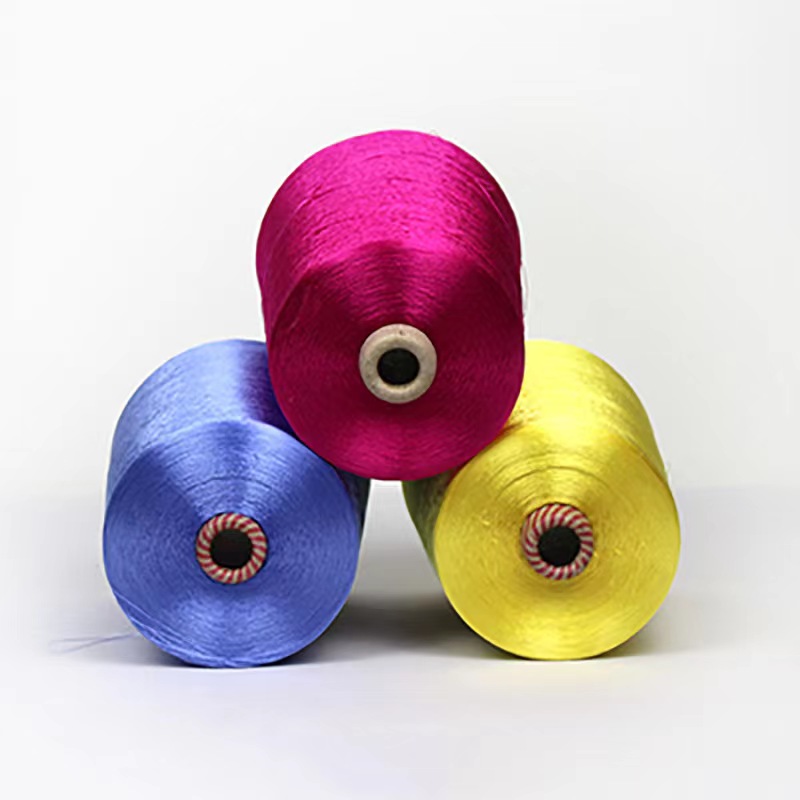
Viscose Rayon Fiber Filament Yarn
The selection of textile raw materials is a critical decision that influences the final product's quality, aesthetic appeal, and cost structure. Viscose Rayon Fiber Filament Yarn holds a distinct position in the market as a high-quality, continuous cellulosic filament, prized for its exceptional luster and smooth hand-feel, often mimicking silk more closely than other synthetic alternatives. Unlike staple (spun) fibers, the continuous nature of the filament yarn eliminates fiber ends, resulting in fabrics with significantly reduced pilling, enhanced uniformity, and a cleaner surface aesthetic. This is particularly valuable in high-end apparel linings, decorative textiles, and certain technical applications where a sleek finish and high drape are non-negotiable requirements. Derived from purified wood pulp (a natural and renewable resource), viscose rayon maintains the natural breathability and moisture-absorbency of cellulose, offering superior comfort compared to petroleum-based synthetics like polyester or nylon. Its excellent dye uptake further allows for deep, vibrant colors, making it a favorite among textile designers. The engineering process for creating this filament yarn is complex, involving precise control over the spinning bath and drawing processes to ensure uniform denier and optimal tensile strength, which is essential for efficient weaving and knitting. Its versatility allows it to be combined seamlessly with other fibers, such as cotton or spandex, to enhance specific properties like stretch or durability, confirming its role as a cornerstone material in contemporary textile manufacturing.
The adoption of Viscose Rayon Fiber Filament Yarn is driven by several key factors in the textile industry:
- Superior Drape and Hand-Feel: Essential for luxury apparel, formal wear, and premium home textiles.
- High Luster and Brightness: Naturally achieves a high sheen, reducing the need for extensive chemical finishing to achieve a glossy appearance.
- Excellent Absorbency: Offers better moisture and sweat wicking properties than many synthetics, enhancing wearer comfort.
- Pill Resistance: The continuous filament structure minimizes short fiber ends, leading to cleaner, smoother fabric surfaces over time.
Core Performance: Properties of Viscose Rayon Fiber Filament Yarn vs Spun
A crucial distinction in textile engineering is the difference between filament yarn and spun yarn, especially when specifying the raw material. The technical comparison of Properties of Viscose Rayon Fiber Filament Yarn vs Spun short-cut fibers reveals significant implications for the resulting fabric's performance and aesthetic. Filament yarn, being a single, continuous strand of virtually infinite length, provides superior tensile strength and a remarkably smooth, uniform surface. This continuity directly translates into fabrics with exceptional luster and high resistance to pilling and abrasion. Conversely, spun yarn, which is created by twisting many short, staple fibers together, naturally results in a fuzzier surface and lower tensile strength, but often offers a softer, fuller hand-feel and better thermal insulation due to trapped air. Manufacturers must carefully evaluate these trade-offs, as filament yarn is typically chosen for aesthetics and sleekness (e.g., linings, satins), while spun yarn is favored for bulk, softness, and air trapping (e.g., knitwear, casual wear). This strategic material selection directly impacts downstream processing, including weaving efficiency and finishing requirements.
Key differences influencing textile design:
- Luster: Filament yarn is naturally bright and reflective; spun yarn is generally duller or matte.
- Strength: Filament yarn provides higher strength and durability, especially when wet, compared to spun yarn.
- Hand-Feel: Spun yarn is often softer and more voluminous; filament yarn is smoother and silkier.
| Property | Viscose Rayon Fiber Filament Yarn | Viscose Rayon Spun Yarn (Staple) |
|---|---|---|
| Surface Appearance | Smooth, High Luster, Low Pilling | Fuzzier, Matte Finish, Prone to Pilling |
| Tensile Strength | High (Uniform stress distribution) | Medium (Relies on fiber friction) |
| Drape Quality | Excellent (Fluid and flowing) | Good (Softer, more substantial) |
| Processing Efficiency | Higher (Fewer breaks during weaving/knitting) | Lower (More friction/breaks possible) |
Sector Use: Applications of Viscose Rayon Fiber Filament Yarn
The versatility and high aesthetic quality of this material ensure a broad range of applications across several specialized textile sectors. The primary sector leveraging the benefits of Viscose Rayon Fiber Filament Yarn is the apparel industry, where its superior drape, luxurious luster, and comfort make it ideal for high-end garment linings, blouses, and dresses. The seamless, smooth nature of the filament prevents static buildup and friction against the body, enhancing wearer comfort. Beyond apparel, it is extensively used in home textiles, particularly for decorative furnishings, draperies, and premium bed linens, where its vibrant color uptake and fluidity contribute to a rich, finished look. Furthermore, certain technical-grade filament yarns are employed in specialized industrial textiles, such as tire cords or high-strength reinforcement materials, where the uniform strength and chemical stability of the continuous filament are critical. The demand for specific performance characteristics often necessitates blending the rayon filament with other fibers, such as high-tenacity nylon for industrial uses or spandex for stretch apparel.
Primary industries utilizing this high-performance filament:
- High-End Apparel: Linings for suits and jackets, formal wear, blouses, and silk-mimicking fabrics.
- Home Furnishings: Bedding, elaborate draperies, and upholstery materials requiring a silky sheen.
- Technical Textiles: Certain types of reinforcement cords and specialty non-woven substrates requiring uniform strength.
- Embroidery and Decorative Threads: Used for its brightness and smooth passage through high-speed machines.
Sustainability and Compliance: Viscose Rayon Fiber Filament Yarn Trends
Environmental Sourcing: Sustainable Viscose Rayon Fiber Filament Yarn certification
As sourcing ethics and supply chain transparency become paramount, demand for certified Sustainable Viscose Rayon Fiber Filament Yarn certification has rapidly increased. Buyers are now prioritizing materials that can prove responsible forest management and environmentally sound manufacturing processes. The most critical verification in this sector is the Forest Stewardship Council (FSC) certification, which guarantees that the wood pulp used to produce the viscose rayon originates from responsibly managed forests, preventing deforestation and ensuring biodiversity protection. Beyond raw material sourcing, manufacturers are increasingly required to adhere to rigorous process-related certifications like the Oeko-Tex Standard 100, which confirms the final product is free from harmful substances, and the EU Ecolabel, which verifies reduced environmental impact throughout the entire product lifecycle. Compliance with these standards is no longer a niche requirement but a fundamental commercial prerequisite for penetrating major global markets, especially in Europe and North America, where consumers and regulators demand fully traceable and green-certified supply chains.
Essential certifications and their focus areas:
- FSC (Forest Stewardship Council): Guarantees the raw material (wood pulp) is sourced from sustainable and responsibly managed forests.
- Oeko-Tex Standard 100: Certifies that the final yarn is tested and free from harmful levels of known toxic substances.
- Canopy Style Ranking: A system monitoring the sourcing practices of viscose producers to eliminate the use of wood pulp from ancient and endangered forests.
- EU Ecolabel: Recognizes products with a reduced environmental impact throughout their lifecycle.
Commercial Strategies: Price and Global Sourcing for Viscose Rayon Fiber Filament Yarn
Cost Drivers: Analyzing Viscose Rayon Fiber Filament Yarn price per kg
The definitive Viscose Rayon Fiber Filament Yarn price per kg is subject to several dynamic variables that procurement professionals must track closely. Unlike synthetic yarns whose prices are tied to crude oil futures, the cost of viscose rayon is primarily dictated by global wood pulp prices, which can exhibit significant volatility based on forestry supply, energy costs, and geopolitical factors affecting lumber harvesting. Beyond the raw material, the specific technical requirements of the yarn heavily influence the final cost. Higher denier yarns generally have a lower price per unit weight due to reduced processing time, while specialty yarns (such as high-tenacity or finely twisted varieties) incur a premium. Furthermore, the volume of the order—the Minimum Order Quantity (MOQ)—is a major factor, with suppliers offering substantially lower rates for bulk purchases that help amortize the high fixed costs associated with setting up complex spinning and finishing lines.
Key factors determining the wholesale price:
- Fiber Fineness (Denier/Dtex): Finer filament yarn requires more complex processing and commands a higher price.
- Raw Material Price: Volatility in global wood pulp commodity markets directly impacts input costs.
- Order Volume and Contract Terms: Large-volume annual contracts secure the best Viscose Rayon Fiber Filament Yarn price per kg.
- Luster Type: Semi-dull or dull yarns may involve additional delustering additives, slightly altering the cost structure.
Supply Chain Optimization: Sourcing from Viscose Rayon Fiber Filament Yarn manufacturers China
China holds a dominant position in the global textile supply chain, making the accurate vetting of Viscose Rayon Fiber Filament Yarn manufacturers China a crucial step for international buyers. When sourcing from this region, procurement teams should prioritize suppliers who demonstrate not only competitive Viscose Rayon Fiber Filament Yarn price per kg but also robust, third-party verified quality management systems. Key criteria for selection must extend beyond pricing to include the manufacturer's technical capabilities (e.g., specialized twisting or dyeing services), their commitment to environmental compliance (evidenced by the aforementioned certifications), and their track record for consistent delivery and low defect rates. Auditing facilities to confirm adherence to social accountability standards and utilizing third-party inspectors for pre-shipment quality control are non-negotiable best practices for securing a reliable and ethical supply chain from Viscose Rayon Fiber Filament Yarn manufacturers China.
Essential considerations when sourcing globally:
- Quality Control: Demand third-party lab reports for key properties like wet strength and colorfastness.
- Technical Capacity: Ensure the manufacturer can meet specific denier, twist, and luster requirements.
- Logistics and Lead Times: Evaluate the supplier's reliability in meeting agreed-upon production and shipping schedules.
FAQ
How does the Viscose Rayon Fiber Filament Yarn price per kg relate to sustainability certifications?
The Viscose Rayon Fiber Filament Yarn price per kg for certified sustainable products is often marginally higher than that of conventional rayon due to the added costs associated with responsible sourcing and processing. This premium covers the cost of using certified sustainable wood pulp (FSC or PEFC), implementing closed-loop chemical recovery systems to minimize pollution, and undergoing continuous, rigorous third-party auditing required for certifications like Bluesign or EU Ecolabel. While the price may be slightly higher, this investment mitigates reputational risk, ensures compliance with international regulations, and meets the growing consumer demand for certified Sustainable Viscose Rayon Fiber Filament Yarn certification, making it a crucial component of long-term commercial value.
What are the practical Properties of Viscose Rayon Fiber Filament Yarn vs Spun in terms of garment lining application?
In garment lining applications, the superior Properties of Viscose Rayon Fiber Filament Yarn vs Spun make the filament yarn the preferred choice. The continuous filament's high luster and smooth surface reduce friction and static electricity when worn over clothing, facilitating ease of movement and minimizing garment clinging. Furthermore, its excellent drape provides a fluid, luxurious fall to the outer fabric. Spun rayon lining, while potentially offering a slightly warmer feel due to trapped air, is more prone to surface pilling and less likely to achieve the sophisticated sheen demanded by high-end tailored clothing and formal wear. The technical characteristics of filament yarn directly contribute to the perceived quality and comfort of the final garment.
When sourcing from Viscose Rayon Fiber Filament Yarn manufacturers China, what are the key quality metrics to request?
When engaging with Viscose Rayon Fiber Filament Yarn manufacturers China, primary quality metrics to request and verify include the yarn's Tenacity (strength), especially its wet strength, which is critical for processing; the Uniformity of the filament denier (evenness), which impacts weaving consistency; and Colorfastness to both washing and light. Buyers should specifically request laboratory reports detailing the coefficient of variation in tenacity and the results of the AATCC/ISO colorfastness tests. Additionally, the availability of Sustainable Viscose Rayon Fiber Filament Yarn certification documents, such as FSC chain-of-custody, must be confirmed to ensure the raw material origin meets ethical sourcing requirements, thus safeguarding the integrity of the supply chain.