
Content
What Makes Acrylic Yarn Different from Natural Fiber Yarns
Acrylic yarn is a synthetic fiber yarn made from polyacrylonitrile, engineered to replicate the hand-feel and bulk of wool while costing roughly 30-50% less per kilogram. Unlike cotton or wool, it is produced through a wet or dry spinning process that allows manufacturers to precisely control denier, crimp, and bulk from batch to batch — a level of consistency that natural fibers cannot guarantee due to seasonal and regional variation in raw material quality.
For buyers sourcing at volume, this consistency is often the deciding factor. A single production run of acrylic yarn can be matched precisely to a prior order's dye lot and tensile specification, which reduces rejection rates in downstream knitting and weaving operations.
Key Specifications to Check Before Ordering
Three specifications determine whether a batch of yarn will perform correctly in a given application: yarn count (Ne or Nm), twist per meter (TPM), and fiber denier. Getting these wrong is the single most common cause of order disputes between buyers and mills.
- Yarn count 2/28 to 2/32 Nm is standard for machine knitting on fine-gauge equipment
- Fiber denier of 3-6D produces a softer hand suitable for apparel, while 15D+ is used for outdoor textiles and carpets
- Twist levels above 700 TPM increase durability but reduce softness — a trade-off worth specifying explicitly in the purchase order
Requesting a test sample dyed and knitted to the buyer's actual gauge, rather than relying on the mill's generic swatch card, catches most compatibility issues before a full container is committed.
Acrylic Yarn vs. Wool and Polyester Blends
Buyers frequently choose between 100% acrylic yarn, wool-acrylic blends, and acrylic-polyester blends depending on end use. The table below summarizes the trade-offs relevant to bulk purchasing decisions.
| Material | Relative Cost | Pilling Resistance | Best Use Case |
|---|---|---|---|
| 100% Acrylic | Low | Moderate | Budget apparel, blankets, craft yarns |
| Wool-Acrylic Blend | Medium-High | Good | Mid-range sweaters, winter accessories |
| Acrylic-Polyester Blend | Low-Medium | High | Upholstery, outdoor textiles, carpets |
Quality Checks and Bulk Sourcing Considerations
When sourcing acrylic yarn in bulk, colorfastness rating (typically tested to ISO 105 standards) and moisture regain are the two properties most likely to cause downstream complaints if overlooked. Acrylic's moisture regain sits around 1-2%, far lower than wool's 13-18%, which affects dye uptake and should be confirmed against the buyer's own dyeing process rather than assumed from a generic spec sheet.
- Request colorfastness test reports for the specific dye lot, not a general material certificate
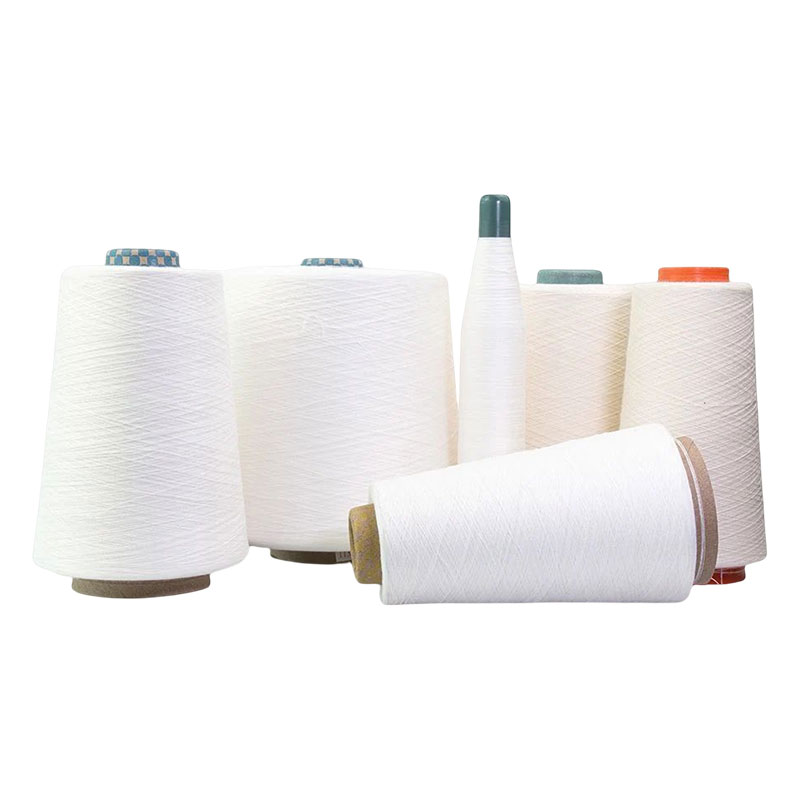
- Confirm cone weight and packaging tolerance, since underweight cones are a common source of shortfall on large orders
- Verify OEKO-TEX or equivalent certification if the yarn is destined for markets with restricted substance regulations