
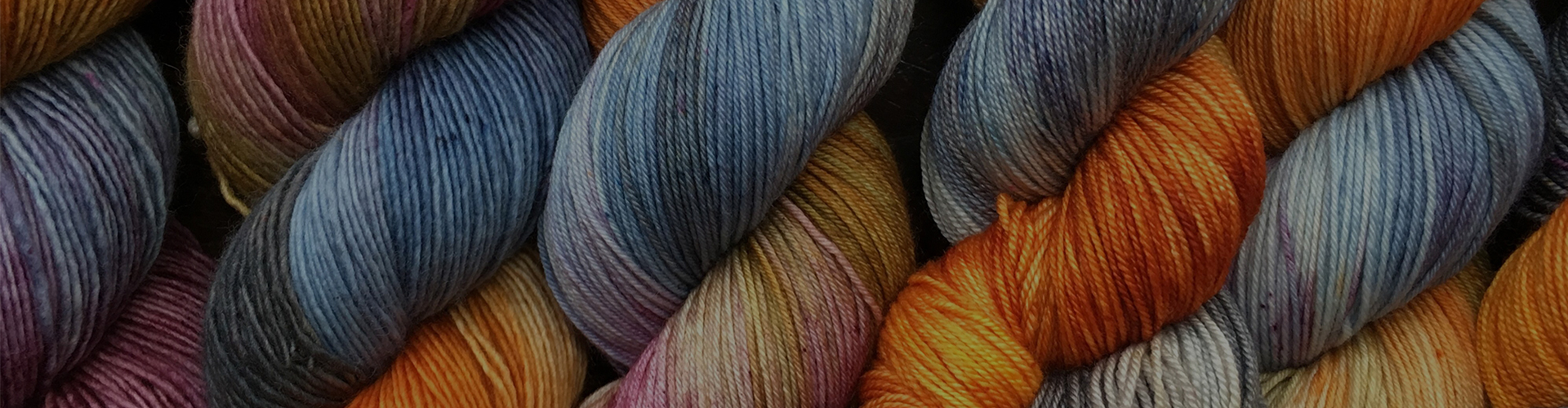
Viscose yarn is a semi-synthetic fiber made from regenerated cellulose, most commonly derived from wood pulp. It is not 100% natural, though it originates from a natural raw material: the chemical transformation process renders it a manufactured cellulosic fiber. When compared to cotton, viscose offers superior drape and a silky hand feel but generally lower wet strength and durability. Understanding the specific drawbacks of viscose—such as its tendency to shrink and lose strength when wet—helps in selecting the right fiber for apparel, home textiles, and industrial applications.
Content
What Is a Viscose Yarn?
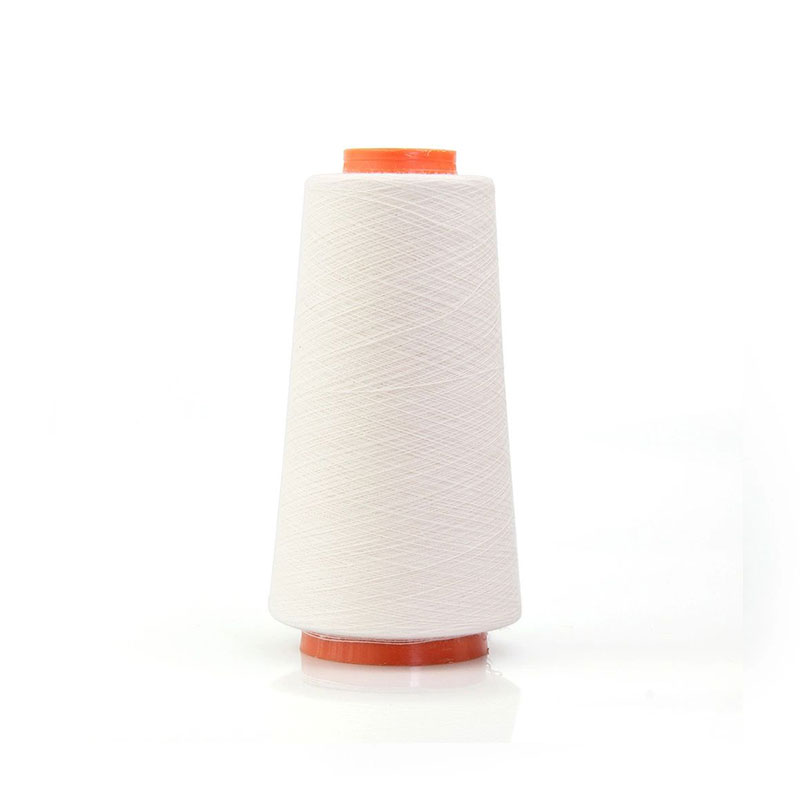
Viscose yarn is a continuous strand of viscose staple fibers or filaments, produced through the viscose process. The raw material—usually wood pulp from fast-growing trees like eucalyptus or beech—is treated with caustic soda and carbon disulfide to form a thick, orange cellulose xanthate solution, which is then extruded through a spinneret into a sulfuric acid bath. This coagulates the cellulose, forming solid fibers that are stretched, washed, cut, and spun into yarn. Global viscose staple fiber production exceeded 5.8 million metric tons in 2022, according to the Textile Exchange, making it the third most produced textile fiber after polyester and cotton.
The resulting yarn is valued for its lustrous appearance, softness, and high absorbency—typically a moisture regain of 13–14% under standard conditions, significantly higher than most synthetics. These properties make it a popular choice for lightweight summer dresses, linings, and blouses, as well as in blended yarns where it adds breathability to polyester or reduces the cost of cotton blends.
Is Viscose 100% Natural?
Viscose is not 100% natural, despite its plant-based origin. The base cellulose is a natural polymer, but the process of converting wood pulp into spinnable fiber relies on intensive chemical reactions. The alkalization and xanthation steps fundamentally alter the cellulose structure, and the use of carbon disulfide—a neurotoxic solvent—along with sulfuric acid, means the final fiber is classified as a regenerated or semi-synthetic cellulosic material. Labels such as “made from natural wood pulp” are accurate about the source but can be misleading without acknowledging the transformation.
That said, newer closed-loop processes like the Lyocell (TENCEL™) method capture over 99% of the solvent for reuse, moving closer to a circular production model. While traditional viscose cannot claim full natural status, these advances narrow the sustainability gap and offer third-party certifications such as FSC for responsible forestry and OEKO-TEX for chemical safety. For consumers who prioritize truly natural fibers, organic cotton or linen remain the simplest routes, but viscose provides a plant-based alternative with a unique aesthetic that lies between natural and synthetic worlds.
What Is the Difference Between Cotton and Viscose Yarn?
While both cotton and viscose are cellulose-based, their physical properties and performance characteristics differ markedly. The table below summarizes the key comparisons between a typical 30/1 Ne carded cotton yarn and an equivalent viscose ring-spun yarn.
| Property | Cotton Yarn | Viscose Yarn |
|---|---|---|
| Moisture regain (65% RH) | ~8.5% | ~13% |
| Dry tenacity (cN/tex) | 20–30 | 18–26 |
| Wet tenacity (% of dry) | 100–110% | 45–65% |
| Elongation at break | 5–7% | 15–25% |
| Drape & hand feel | Crisp, tends to be firmer | Fluid drape, soft and smooth |
| Thermal resistance | High; withstands high ironing temperatures | Lower; may scorch at high heat |
The most critical performance gap is wet strength. Cotton becomes slightly stronger when wet due to hydrogen bonding within the fiber, while viscose loses up to 55% of its dry strength in the wet state. This makes viscose garments prone to tearing during aggressive machine washing. On the positive side, viscose's higher elongation and smooth filament surface create a softer drape and a more luxurious appearance, often used to imitate silk at a fraction of the cost. In terms of cost, viscose staple fiber typically trades at a discount to cotton, with price differentials fluctuating between 10% and 30% depending on global pulp and cotton market conditions.
What Are the Cons of Viscose?
Despite its appealing aesthetics, viscose yarn has notable disadvantages that limit its application in certain end-uses. Being aware of these cons helps brands and consumers make informed choices.
- Poor wet strength and dimensional instability. As shown in the table above, viscose weakens significantly when wet and can stretch or shrink out of shape. Garments washed in hot water or subjected to spin cycles may shrink by 5–8% in length, even after preshrinking treatment.
- Wrinkling and creasing. Viscose fabrics tend to wrinkle easily because the fiber has relatively low elasticity. Crease recovery angles are often below 100° in the dry state, meaning garments require careful handling and frequent ironing.
- Environmental and chemical concerns. Conventional viscose manufacturing uses carbon disulfide, and if not properly controlled, emissions can contaminate air and water. A 2019 report from the Changing Markets Foundation found that several viscose factories in Asia were discharging untreated wastewater with high sulfate and zinc concentrations. However, certified producers adhering to EU BAT (Best Available Techniques) standards operate with emissions well below regulatory thresholds.
- Limited abrasion resistance. Viscose yarns have lower abrasion resistance compared to cotton and polyester. In applications like denim-style fabrics or high-friction upholstery, pure viscose may pill or develop surface fuzz after repeated use. Blending with polyamide or polyester can mitigate this, but raises the synthetic content.
- Sensitivity to mildew and insects. Cellulosic fibers are susceptible to mildew in damp conditions, and while viscose is not as attractive to moths as wool, it can still degrade under microbial attack if stored improperly. Proper ventilation and dryness are essential.
Despite these limitations, the global viscose market continues to grow at an average annual rate of 4–5%, driven by demand for affordable, breathable alternatives to cotton and silk. Innovations like high-wet-modulus (HWM) viscose and Lyocell variants directly address the wet strength and environmental drawbacks, offering tenacity retention of 70–85% when wet and a dramatically improved eco-profile. For many applications, an informed blend or the selection of a next-generation fiber can capture viscose's benefits while minimizing its weaknesses.