
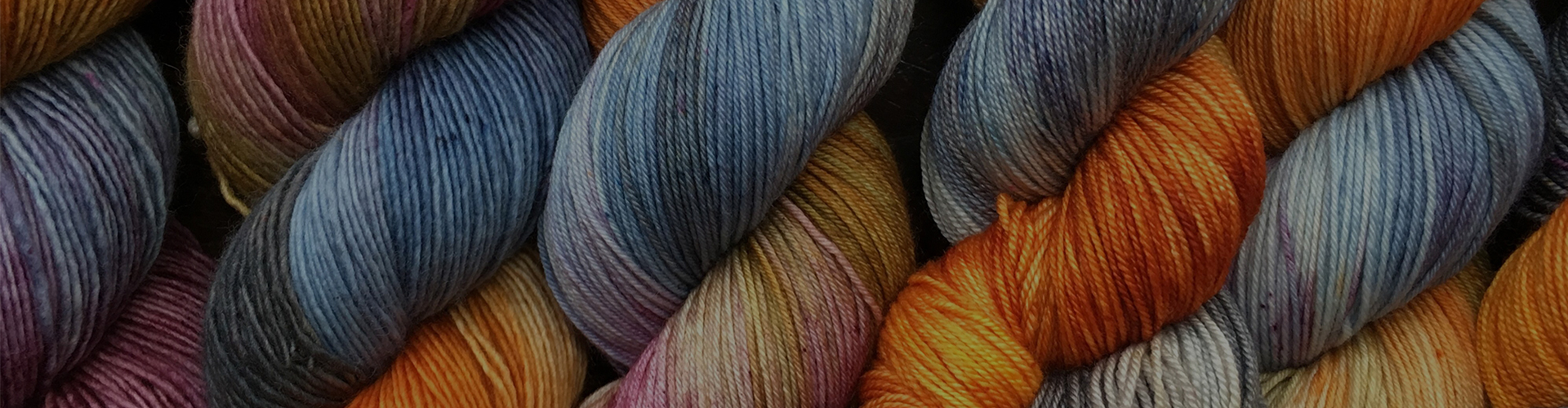
A textile buyer at a Shanghai garment company is reviewing lining materials for a new spring dress line. Polyester filament has been rejected by the quality team for poor breathability. Real silk sits far above the target cost. A viscose filament yarn sample, however, meets both the drape and the budget. Viscose filament yarn is a continuous regenerated cellulose filament produced by the viscose process. Its moisture regain of 11-13% is roughly 25-30 times higher than polyester's 0.4%, which directly translates to more breathable clothing.
The main applications of viscose filament yarn fall into five clusters: apparel fabrics, home textiles, carpets, medical and hygiene products, and embroidery and decorative components. Each cluster imposes specific demands on denier, filament count, and luster. Getting those parameters right is the core decision that separates a smooth production run from costly dyeing failures.
Content
01 / What Is Viscose Filament Yarn?
Viscose filament yarn is a continuous regenerated cellulose filament produced by the viscose process. Unlike spun viscose yarn made from short fibers, a filament runs unbroken from end to end, giving the fabric a smooth face and high luster.
The production starts with cellulose pulp from wood or bamboo. The pulp is dissolved in caustic soda and carbon disulfide, then filtered and aged into a viscose solution. The solution is extruded through spinnerets into a coagulating bath, and the resulting filaments are wound onto bobbins. Because the filament is continuous, it needs no twist unless the specification requires it. This structural difference is the reason viscose filament fabrics feel silky and drape well while spun viscose fabrics feel more like cotton.
Common commercial deniers run from 50D/24F for carpet use to 300D/96F for heavier curtains, with the largest share of garment-grade material falling between 75D and 150D.
If a fabric needs silk-like shimmer, a smooth surface, and deep dye absorption, viscose filament yarn is the most commercially rational starting point.
02 / Main Applications of Viscose Filament Yarn
Five application clusters account for the bulk of viscose filament demand worldwide. Each one has a preferred denier band and luster treatment, and buyers choose the specification based on the final garment or textile product.
- Apparel fabrics75-150D
- Home textiles100-300D
- Carpets50-150D
- Medical/hygiene50-100D
- Embroidery75-120D
Apparel and Fashion Fabrics
Woven blouses, dress fabrics, linings, and knitwear with a smooth face are the largest use. The standard garment specification is 100D/38F or 120D/40F, with bright or semi-dull luster. Continuous filament gives a uniform cross-section, so dyeing results are more even than in spun viscose.
Home Textiles and Curtains
Curtain panels, upholstery, and decorative trims use 150D-300D filament. Viscose filament provides a soft, flowing drape. For better UV stability, processors blend 20-30% polyester filament with the viscose. Finished curtains commonly weigh 130-230 g/m2.
Carpets and Floor Coverings
Woven carpets, rug borders, and prayer mats often use 50D/24F bright viscose filament. The high luster adds a gentle sheen to flat-weave and jacquard surfaces. Because carpets are indoors, the lower wet strength of viscose is not a practical issue.
Medical and Hygiene Products
In medical applications, viscose filament's biocompatibility and high moisture absorption make it suitable for surgical dressings, absorbent pads, and hygiene components. Buyers in this segment should verify wet strength and residual chemical levels before qualifying a supplier.
Embroidery and Decorative Applications
Embroidery thread, woven labels, and decorative ribbons use 75D-120D viscose filament as a base, then twist or ply it to the final count. The high luster and vivid dye uptake make it a natural choice for brand labels and premium trims.
03 / Denier, Filament Count, and Luster: Key Specs
Three parameters determine how viscose filament yarn behaves in a fabric: denier, filament count, and luster. Matching them to the end use avoids the cost of over-specification.
| End Use | Denier | Filament Count | Luster | Typical Fabric Weight |
| Blouses and dresses | 100D | 38F | Semi-dull or bright | 80-120 g/m2 |
| Lining fabrics | 120D | 40F | Semi-dull | 90-140 g/m2 |
| Curtains | 150D-300D | 48-96F | Bright | 130-230 g/m2 |
| Woven carpets | 50D | 24F | Bright | 600-900 g/m2 |
| Medical/hygiene | 50D-100D | 24-38F | Bright | 30-80 g/m2 |
04 / Sourcing Viscose Filament Yarn for Large Orders
China is the largest production base for viscose filament yarn, with major manufacturing clusters in Jiangsu, Zhejiang, and Shandong. Suzhou Hanyun New Material Technology Co., Ltd. is a professional fiber manufacturer in this region, offering viscose filament from 50D/24F carpet grade to 100D/38F garment grade. When sourcing from any producer, four factors decide whether the material will run smoothly in your factory.
- Denier tolerance: request a +/-3% statement for bulk orders.
- Dye-lot consistency: ask for a color difference report against the standard.
- Wet strength: for medical and hygiene use, test wet elongation.
- Certification: GRS for recycled content, OEKO-TEX for skin-contact goods.
For a deeper look at the value factors, read this viscose rayon sourcing guide.
Buy viscose filament yarn by application first, then by specification. Choosing a denier outside the established range for your end use raises cost without improving fabric performance.
05 / FAQ: Buying and Using Viscose Filament Yarn
Is viscose filament yarn the same as viscose rayon filament?
Yes. In trade terminology, viscose filament yarn and viscose rayon filament refer to the same continuous regenerated cellulose product. Viscose staple, which is made from cut fibers, is a different material.
Can viscose filament yarn be blended with polyester?
Yes. Blending improves dimensional stability and crease recovery, which are the two main weaknesses of pure viscose. A common curtain specification is 80/20 viscose/polyester; knitwear can use 70/30 viscose/nylon.
What denier should I choose for a dress fabric?
Start with 100D/38F for a lightweight woven dress. If the design needs a heavier drape, move to 150D/48F. Always request a sample run before bulk production.
How should viscose filament yarn be stored in the warehouse?
Keep it dry and ventilated with original packaging, avoid direct sunlight, and rotate the oldest dye lot first. Normal internal moisture is 6-8%, so extra drying is usually unnecessary.