
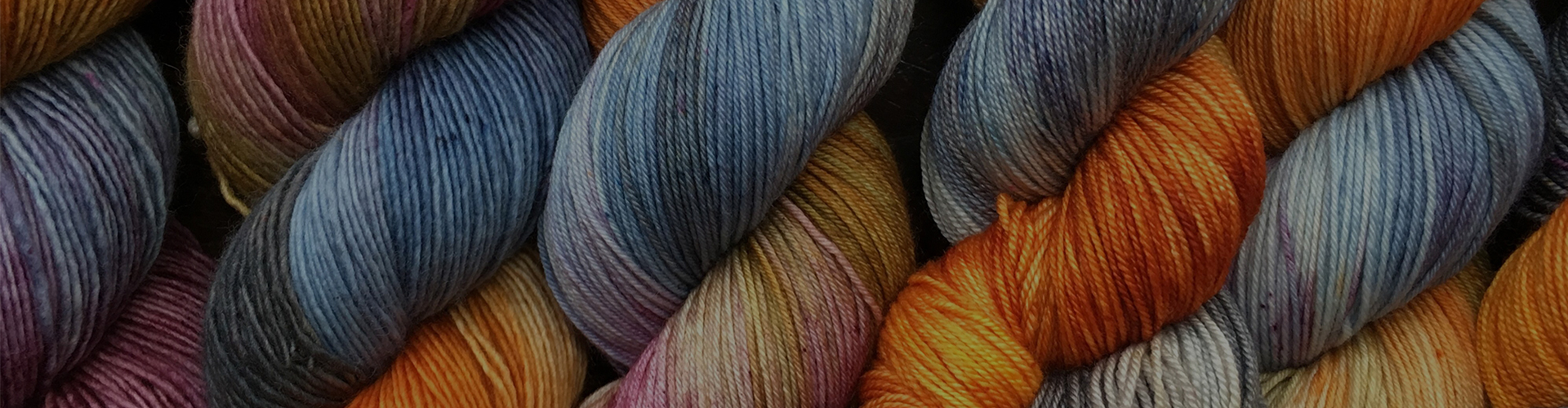
A yarn buyer from a Wujiang sweater mill was asked to cut 12% from the autumn line's yarn budget without losing the bulk that retail customers expect. The most practical lever was shifting from a wool-dominant blend to a 50/50 acrylic-cotton construction. This is what acrylic yarn is best used for: creating warm, colorful, and cost-predictable knitwear for volume production while preserving the hand feel that makes a sweater sell.
Content
- 1 What Is Acrylic Yarn Best Used For? A Practical Overview
- 2 What Is Acrylic Yarn Best Used For: Sweaters, Socks, and Blankets
- 3 Blending Strategy: Acrylic with Wool, Cotton, and Viscose
- 4 Performance Limits: When Acrylic Yarn Is Not the Right Choice
- 5 Buyer's Checklist: Specs, Certification, and Sample Testing
- 6 Frequently Asked Questions
What Is Acrylic Yarn Best Used For? A Practical Overview
Acrylic yarn is best used for mid-weight sweaters, socks, blankets, and blended winter garments where bulk, colorfastness, and predictable sourcing matter more than natural-fiber moisture management. It is a synthetic staple fiber that behaves like wool mechanically, but costs roughly 40-50% less per kilogram in typical supply conditions. Suzhou Hanyun New Material Technology Co., Ltd., a fiber manufacturer based in Suzhou, Jiangsu, produces acrylic staples and blended yarns for the knitting industry, including high-bulk anti-pilling constructions.
Acrylic achieves its best results when the fiber is chosen for a specific end use rather than as a generic replacement. The most common mistake new buyers make is ordering standard semi-dull acrylic for everything: sweaters, socks, and blankets, then fighting pilling or excessive shrinkage in finishing. Acrylic dyes with cationic dyestuffs, which means color depth is unusually rich and consistent, so full-stripe and jacquard patterns look sharp even on budget knitwear lines.
What Is Acrylic Yarn Best Used For: Sweaters, Socks, and Blankets
Acrylic yarn is best used in three application groups: sweater knits, hosiery, and machine-washable home textiles. Each group uses a different construction, and the most common sourcing failure is applying one specification to all three.
Sweaters and Pullovers
For sweaters, the dominant construction is a 2-ply high-bulk yarn around 16S/2, often in an acrylic-cotton 50/50 blend. High-bulk acrylic increases the yarn diameter without raising weight, which creates the loft winter pullovers need at a lower material cost. On 12-14 gauge machines, a 16S/2 high-bulk yarn gives the structure for classic pullovers; on 3-5 gauge machines, chunky knits need a 2/8 Nm or thicker count. A reliable supplier should offer anti-pilling treatment, dope-dyed shades, and a Ne count tolerance of +/- 0.5.
Socks and Hosiery
In socks, acrylic blends with nylon and wool to balance comfort and durability. A common specification for premium socks is 48Nm/1 in a 70/30 wool-acrylic ring-spun blend. The acrylic component adds bulk and moisture transport capacity while keeping the yarn finer than pure wool. For sport socks, nylon-acrylic blends with 20-30% nylon are widely used for toe and heel reinforcement.
Blankets, Throws, and Chunky Knits
For blankets and throws, acrylic is often supplied as hollow conjugated staple fiber, in 3D-7D denier with a siliconized finish. The hollow profile traps air, giving the fabric lightweight warmth that a fine-count acrylic yarn cannot match. This segment favors machine-washable, low-shedding acrylic over wool because consumers expect weekly laundering.
| Application | Typical Construction | Why Acrylic Wins | Key Risk to Check |
| Sweater knit | 16S/2 A/C 50/50 high bulk | Bulk, full color range at low cost | Pilling without anti-pilling treatment |
| Sock / hosiery | 48Nm/1 W/A 70/30 ring spun | Softness and warmth in fine count | Shrinkage if finishing temperature is too high |
| Blanket / throw | 3D-7D hollow conjugated | Loft and lightweight warmth | Static electricity in low humidity |
Blending Strategy: Acrylic with Wool, Cotton, and Viscose
Acrylic is rarely used alone in commercial garment production. Blending is how buyers control cost, hand feel, and durability in one yarn.
100% Acrylic
Best for budget sweaters, chunky knits, and colorful mid-weight garments where cost and color dominate. Soft, warm, machine-washable, and retains shape well. Weakness: pilling and static build-up.
Acrylic Blended
Best for premium sweaters, socks, and performance knits. With wool, acrylic improves loft and reduces cost. With cotton, it improves drape and anti-pilling. With viscose, it adds sheen and softness.
Common blend ratios include 70/30 wool-acrylic, 50/50 acrylic-cotton, and 60/40 acrylic-viscose. Cotton blending improves anti-pilling behavior, wool blending increases loft, and viscose blending adds sheen and drape. As a fiber manufacturer, we recommend first prototyping with a 50/50 blend, then adjusting the ratio based on machine gauge and target price point.
Performance Limits: When Acrylic Yarn Is Not the Right Choice
Acrylic yarn is not a universal replacement for wool or cotton. Its weaknesses are moisture management, pilling, and heat sensitivity.
- Moisture regain is only 1.5-2%: next-to-skin sweat garments feel clammy. For activewear, choose a polyester-acrylic blend or a moisture-wicking finish.
- Standard acrylic pills: demand an anti-pilling version, or choose compact-spun and ring-spun constructions that reduce surface hair.
- Heat sensitivity: avoid finishing temperatures above 120 degrees C, or the fiber can shrink and lose loft.
- Static electricity: in low-humidity environments, acrylic can build static charge. Anti-static finish or blending with viscose solves this.
Buyer's Checklist: Specs, Certification, and Sample Testing
A reliable acrylic yarn order depends on three checks: fiber denier and cut length, anti-pilling treatment, and yarn count and ply construction.
- Confirm staple denier and length: 1.2D-3D for fine knit, 3D-7D for bulky knit, 32mm-64mm cut length.
- Request anti-pilling treatment: single-shell or twin-shell anti-pilling is standard for sweater counts.
- Verify the blend ratio: A/C 50/50, W/A 70/30, or A/V 60/40 each change dyeing and finishing behavior.
- Check certification: for recycled acrylic, ask for a GRS certificate and a third-party test report.
- Run a blocked sample: knit a label trial, then wash once to check shrinkage and pilling in the 5% shrinkage limit.
Before committing to a supplier, review the technical properties and bulk sourcing considerations for acrylic yarn in our acrylic yarn properties and sourcing guide. A standard production lead time for a 20-foot container is 25-40 days, depending on dyeing and winding.
Frequently Asked Questions
Is acrylic yarn good for sweaters?
Yes. Acrylic yarn is excellent for sweaters when the construction is correct. A high-bulk 2-ply yarn with anti-pilling treatment provides the loft and shape retention needed for volume sweater production at roughly half the material cost of wool.
Can acrylic yarn be washed?
Acrylic can usually be machine-washed in warm water at or below 40 degrees C, but it should not be ironed on high heat or dried at high temperature. Always check the washing instruction on the cone label and run a sample test before production.
What is the difference between acrylic and wool yarn?
The main differences are moisture management and cost. Wool absorbs up to 15% moisture, while acrylic absorbs only 1.5-2%. This makes wool more comfortable next to skin but much more expensive and harder to keep from shrinking. Acrylic offers better shape retention and a more consistent color palette.
Is acrylic yarn suitable for baby clothing?
Acrylic alone is not ideal for babies because it does not breathe well and can irritate sensitive skin. A blended yarn with cotton or viscose, such as an acrylic-cotton mix, is more suitable for infant garments because it adds softness while retaining some breathability.