


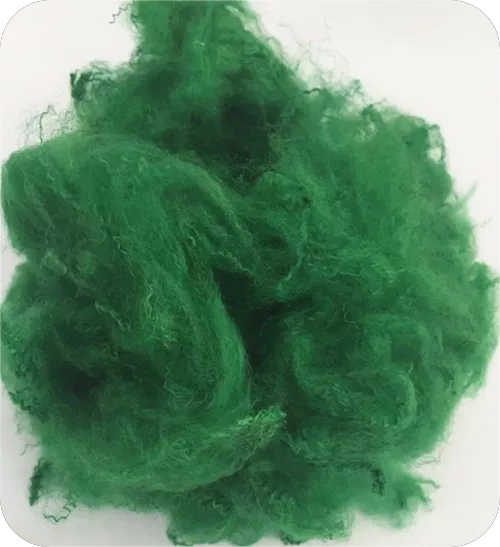
The choice between recycled viscose staple fiber and standard viscose staple fiber has moved from a niche sustainability conversation to a mainstream sourcing decision. Textile manufacturers, brand o
Read More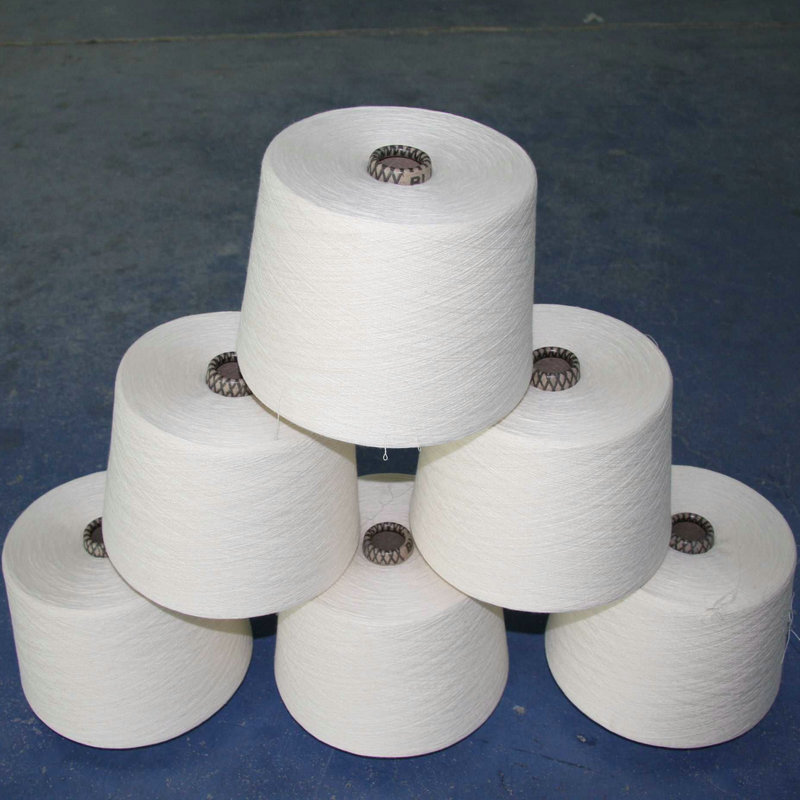
Choosing between pure polyester yarn and polyester blend yarn can be surprisingly difficult. Both options appear in knitting, weaving, socks, workwear, and home textiles, yet they behave differently
Read More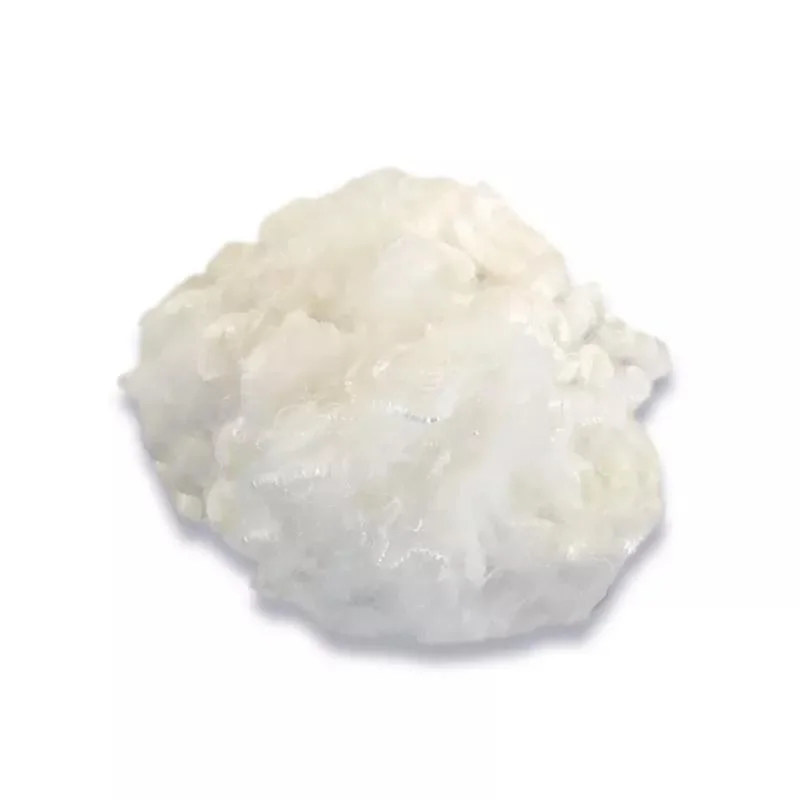
Recycled polyester staple fiber (rPSF) is produced by melting recycled PET flakes or post-consumer bottle resin and extruding it into filaments, which are then cut into short fibers. Depending on the
Read More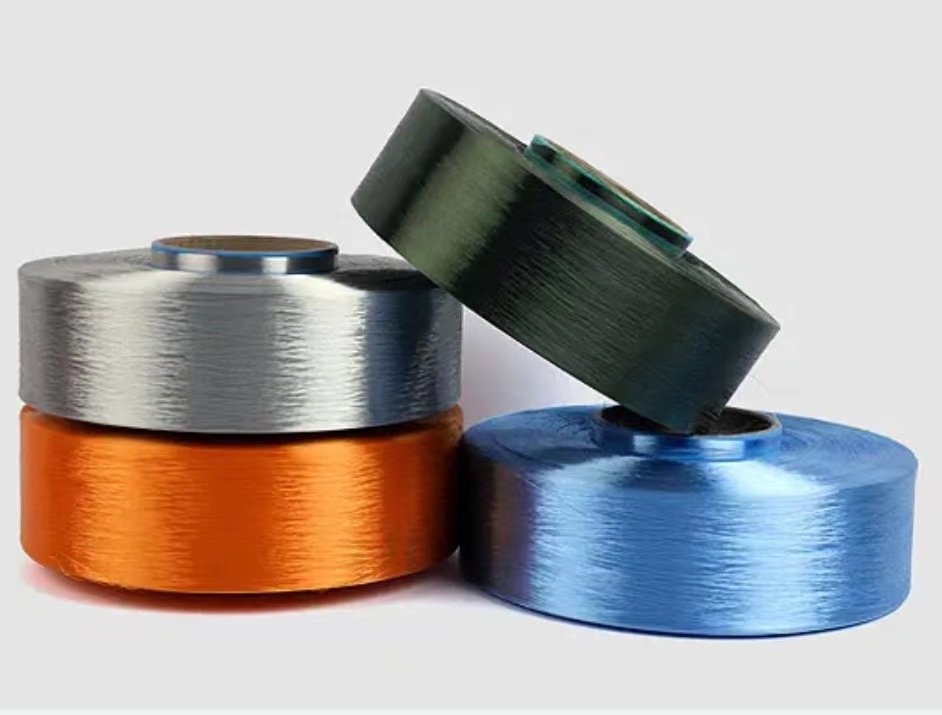
When a polyester filament specification sheet lists "semi-dull," "full-dull," or "bright," the choice is not a minor finishing detail. This single luster grade determines how light interacts with the
Read More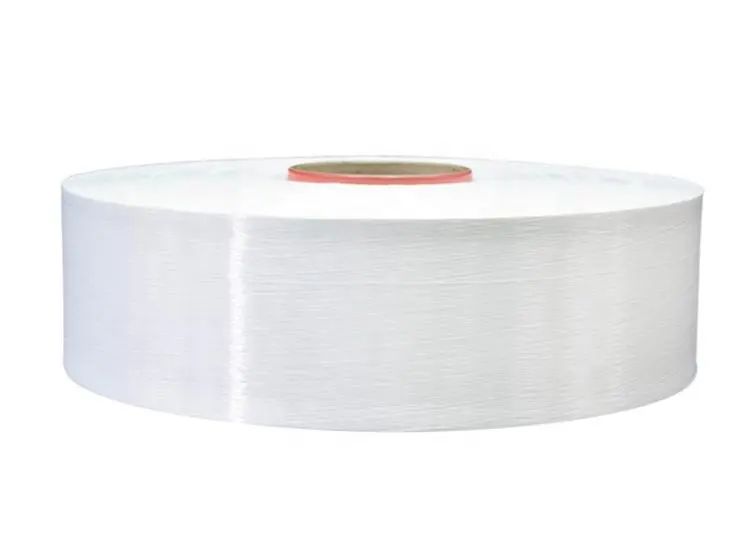
A spool of nylon 6 filament pulled from vacuum packaging into a 60% relative humidity warehouse does not stay dry for long. Within 2 hours it can gain 0.5-1% moisture; after 24 hours at 23 degrees C
Read More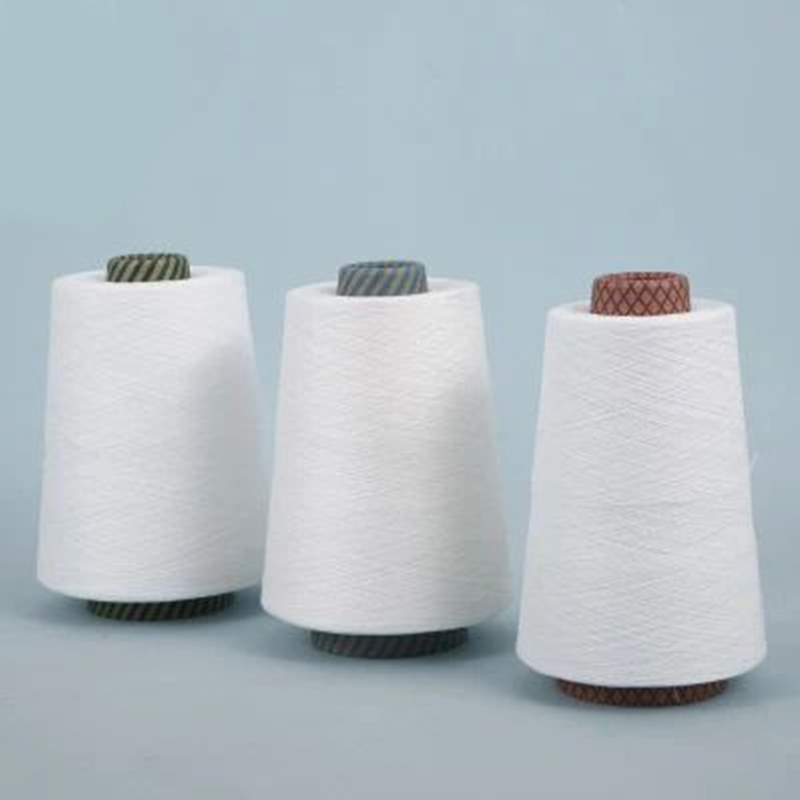
On a buyer's sample table in a knitting mill, acrylic yarn feels dry, soft, and warm to the touch. Nylon filament, pulled from the same bundle, feels smoother and colder, and it snaps back into shap
Read More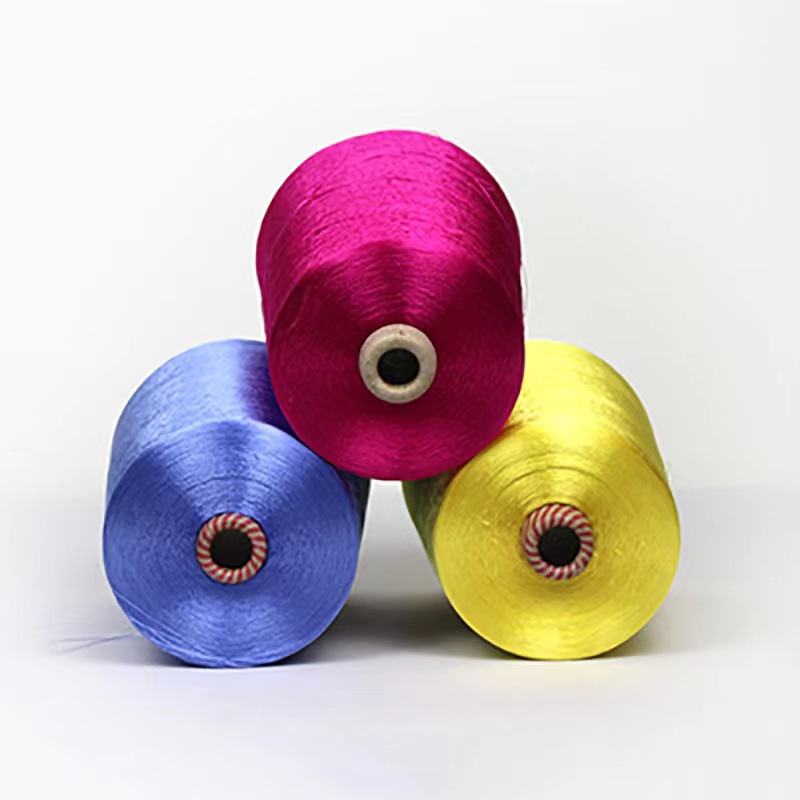
A textile buyer at a Shanghai garment company is reviewing lining materials for a new spring dress line. Polyester filament has been rejected by the quality team for poor breathability. Real silk si
Read More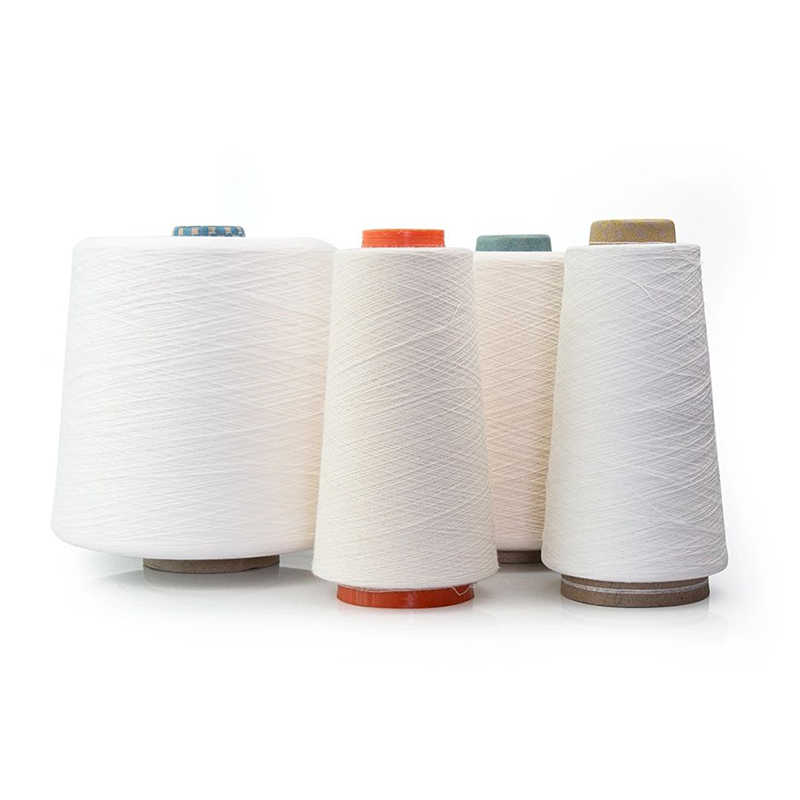
A yarn buyer from a Wujiang sweater mill was asked to cut 12% from the autumn line's yarn budget without losing the bulk that retail customers expect. The most practical lever was shifting from a wo
Read More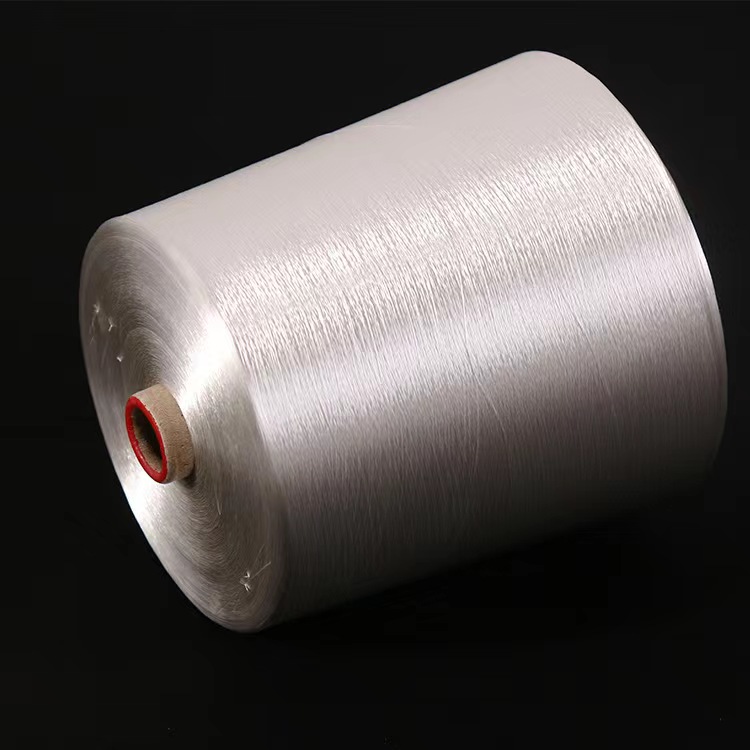
At a weaving mill near Dhaka, two bales arrived with different labels: 100D/38F viscose filament for warp preparation and 1.5D x 38mm viscose staple fiber for blending. The production manager treate
Read More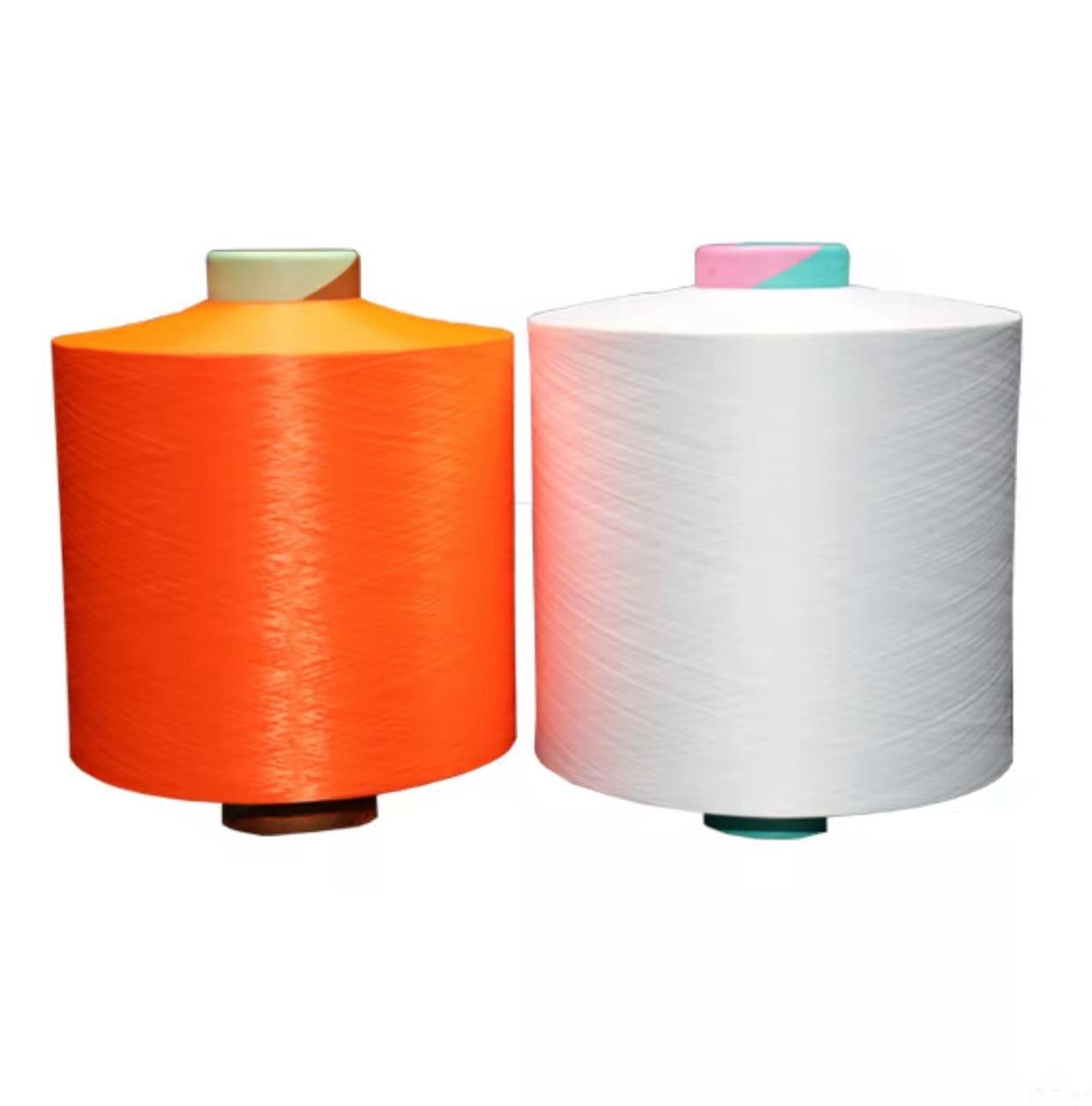
Recycled polyester filament is a continuous multifilament yarn made from post-consumer PET bottles and pre-consumer polyester waste. The label alone does not tell you whether the filament is stable,
Read More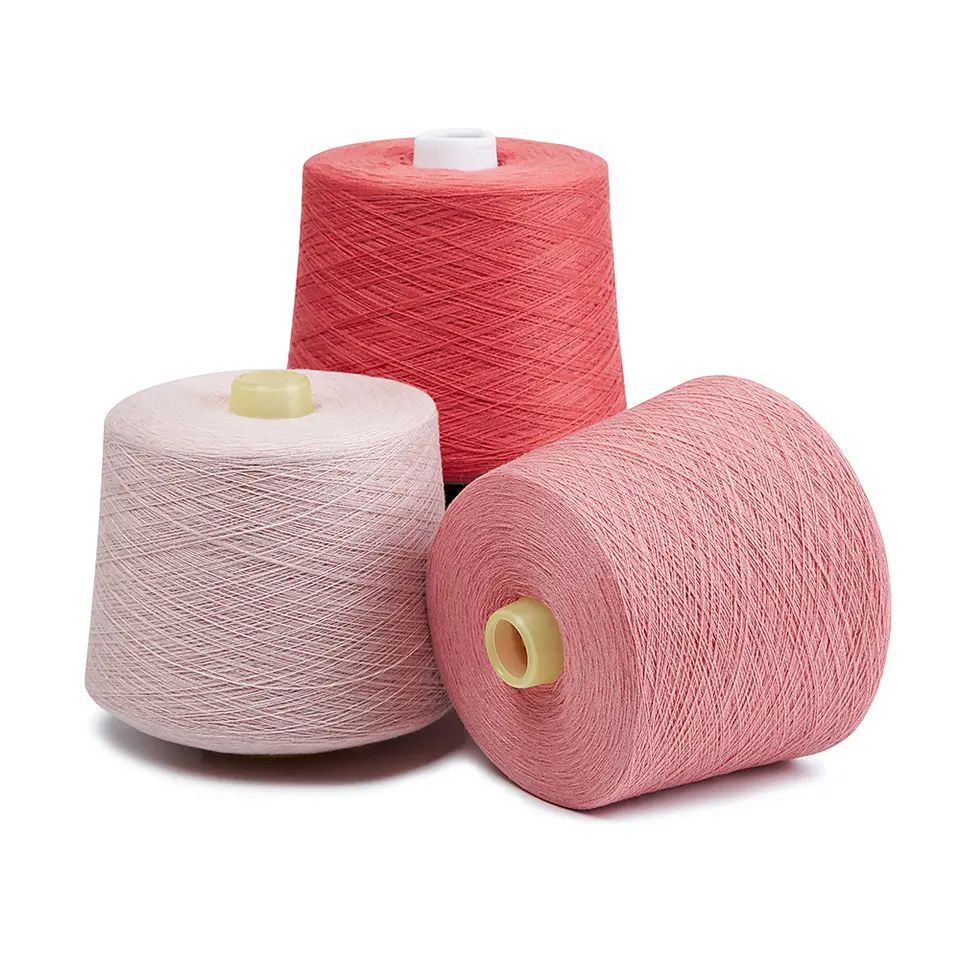
A cotton acrylic blend yarn combines natural cotton fibers with synthetic acrylic fibers in a single spun thread, typically at ratios ranging from 50/50 to 80/20 cotton to acrylic. The goal is straig
Read More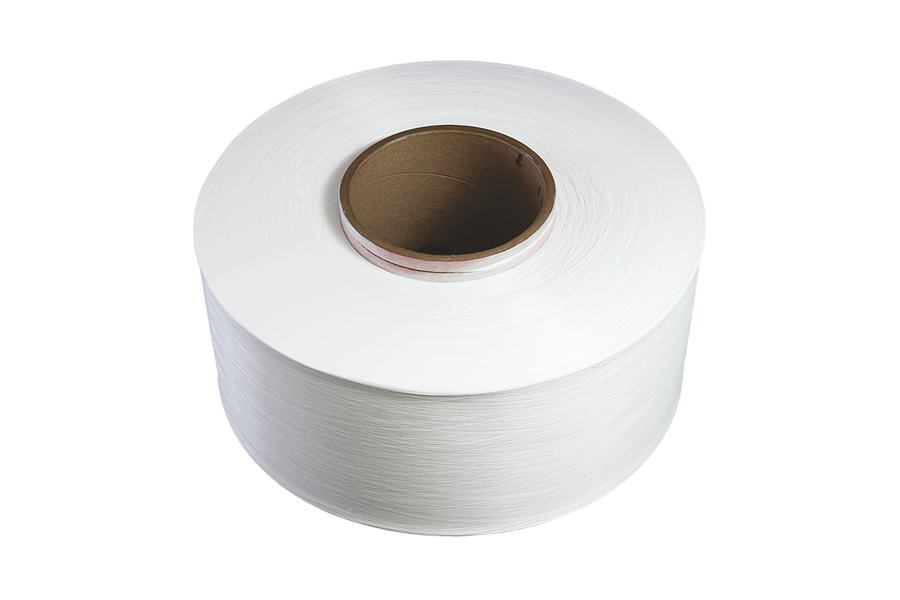
Selecting the right nylon filament yarn starts with defining the end application's specific mechanical and aesthetic requirements, since yarn type, denier, and processing method all need to align wit
Read More

Add: No.1188 West Second Ring Road, Shengze Town, Wujiang District, Suzhou City, Jiangsu Province, China.
Tel: +86 18361448686
Whatsapp: +86 18361448686
Wechat: 15151729239
E-mail: szhyjohn@hanyunnewmaterial.com
E-mail: admin@hanyunnewmaterial.com
Copyright © Suzhou Hanyun New Material Technology Co., Ltd. Rights Reserved.
Synthetic Fiber Filament & Yarn Manufacturer in China
